
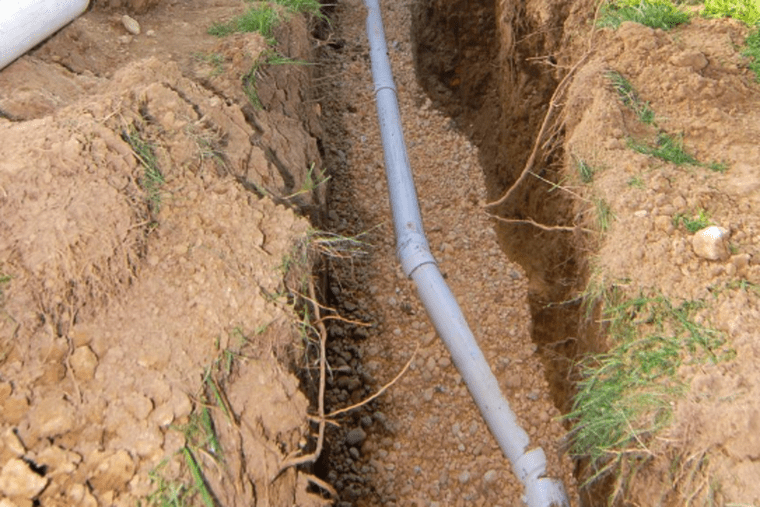
Unlike flooding caused by a storm, sewer backups are caused by the obstruction or malfunction of pipes in your home. Standard homeowners policies don't cover sewer backups unless you’ve asked to add sewer backups by endorsement. This coverage isn't as expensive as flood insurance, and it’s valuable if find yourself in a stinky situation.
Tree roots, flash floods and pipe blockages can all contribute to sewage backups. While floods and sewer backups are insured separately, the factors that cause a flood could also cause a sewer backup in your home.
How backups occur
When a flash rain causes the public sewer system to overflow, water has nowhere to go. It may push back into your home and reverse-flow through your sinks, bathtubs, toilets and other pipes. Or tree roots can obstruct the pipes leading away from your house and cause a backup. You’re responsible for the pipes running from your home until they meet the main sewer line. This can be a costly way to find out you have no sewer backup insurance.
What’s the cost of a backup? More than you think
The Federal Emergency Management Agency estimates that just 1 inch of water can cause about $25,000 of damage to your home. If the expense seems overblown, think about the contents of your basement or first floor and how much it would cost to replace them. Then consider how much it would cost to have a professional repair the damage. When the sewer water rushes in, what will you lose?
If you don't act fast, it can cost you
Once sewage is in your home, you have two immediate problems: standing water destroying your home and belongings, and contaminated sewer water creating a toxic environment. You’ll need to clean and dry the area as quickly as possible, before mold sets in. This requires swift action and professional assistance.
Insurance can help reimburse the cost of hiring a professional for cleanup.
A professional is well worth it. You'll have peace of mind that the cleanup is being done properly. It’s also necessary if there’s a clause in your policy requiring you to act swiftly to remediate the issue. If you don’t act fast, your insurance may not pay up.
Everything in your basement adds up
Even if your basement is unfinished and you think the items you store there aren't worth much, consider the value of the basement equipment that makes your house run properly:
- Washer and dryer
- Water heater
- HVAC system and boiler
- Water softener
The cost to replace and install these items can easily amount to thousands of dollars.
If you have a finished basement, the cost of a flood could be much higher. You need to add flood coverage by endorsement with limits high enough to cover the cost to rebuild the entire basement, including drywall, paint, flooring and furnishings. That cost is in addition to the usual household equipment mentioned above.
Don’t assume you’re safe because you have flood insurance
Any water that enters your home from the outside is normally considered a flood. If an adjuster determines the water came from inside your home through a backup, your claim under flood insurance will likely be denied.
Contact us
Call us for a rundown of your homeowners coverage. Consider adding sewer backup coverage if you don’t already have it.
Ask about your coverage for cleanup and remediation, and what actions you must take after a flood. Also, make sure your limits are high enough to protect your valuables and rebuild in a worst-case scenario.