
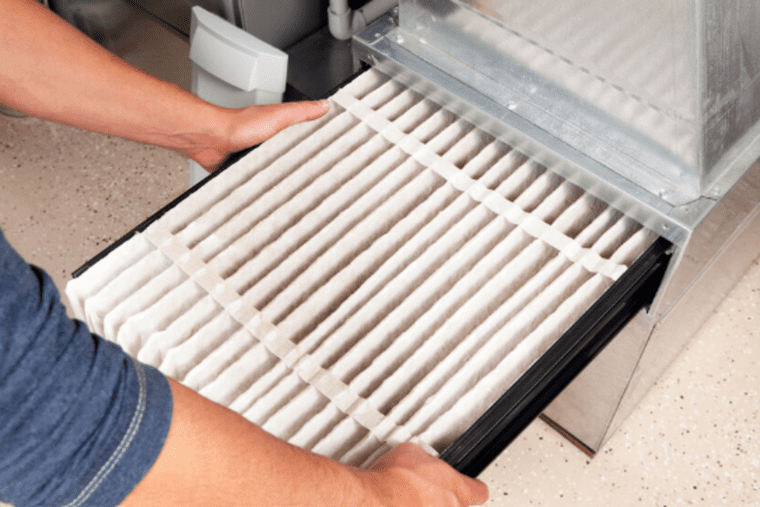
As a responsible homeowner, you probably remember to change your air vent filters every three months. But when’s the last time you changed your HVAC system’s humidifier filter? Understanding the basics of building safety is critical to maintaining your property, mitigating hazards and protecting your health. And it’s especially important if you plan to do any work on your home, whether it’s a full remodel or a simple DIY project.
We’re breaking down the basics of home safety that every homeowner should know.
Building safety basics for homeowners
The International Code Council (ICC), a nonprofit that develops model building codes, asked building safety experts to offer safety tips for homeowners. Here are a few of the top tips:
Inspect your B-vent
A B-vent is a chimney pipe system that collects exhaust fumes from gas appliances, such as water heaters, furnaces and fireplaces. Building safety experts caution homeowners to check their B-vents for damage, especially after having roof work done. If your B-vent is damaged in the course of a job, it could cause dangerous carbon monoxide to build up in your home. Kyley Flynn, plans examiner II for the city of Arvada, Colorado, says that roofers may damage a B-vent and not even notice.
To have your B-vent professionally examined, contact a licensed mechanical contractor.
Heed building codes
Following building codes can help you avoid costly legal issues, fines and expensive rework, not to mention issues that may arise when selling your home. But more importantly, it makes your home safer.
Ashley Bassoco, code enforcement officer for the city of Corona, California, says that cutting corners on home renovations and repairs often leads to major structural and safety issues down the line. In one case, Bassoco was called to investigate a collapsed garage. She discovered that the garage was unpermitted, and the homeowner had used a crutch to prop it up. The homeowner’s grandson hit the crutch, and that part of the garage collapsed. The grandson was OK, but only by sheer luck.
Regularly change or clean (all of) your filters
Depending on the equipment in your home, you may have several filters that need regular cleaning or replacing. For example, your HVAC unit has a humidifier filter to maintain proper humidity levels. If you don't replace the filter, you risk poor indoor air quality, mold and bacteria growth, lower energy efficiency, and system issues. It could even void your unit's warranty.
According to Consumer Reports, here’s how often to clean or replace common filters in your house, including your HVAC filters:
| Type of filter | Typical frequency* |
| Central air | Replace every 3-12 months (The higher your filter's MERV rating, the less often you need to replace it.) |
| Water | Replace every 4 months |
| Dishwasher | Clean every 3-6 months |
| Air purifier | Replace every 6-12 months |
| Range hood | Clean every 1-3 months |
| Clothes dryer | Clean filter after every use, clean duct every few months |
| Dehumidifier | Clean every 1-12 months, depending on usage and humidity levels (The higher the humidity, the more frequently you need to clean it.) |
| Window AC | Clean every month |
| Gas furnace | Replace every 3-12 months |
*These are general guidelines. Check your manufacturer’s maintenance instructions for specific care details.
Know where your fire separation walls are
A fire separation wall is a fire-resistant barrier that helps prevent the spread of fire from one area of your home to another. They’re often found between garages and living spaces.
Jonah Michaels, commercial plans examiner for the city of St. George, Utah, says homeowners often endanger themselves when they do additions or structural work without a licensed contractor. For example, one homeowner expanded their living space into an attached garage, unknowingly removing the fire separation wall in the process. Thereafter, their hybrid car caught on fire in the garage. The fire spread to the house, causing significant damage. Michaels says the home damage could have been minimized or prevented, had the fire separation wall been there.
Don’t do your own electrical work
Unless you are a licensed electrician, do not attempt to do your own electrical work. Faulty electrical work can be deadly to anyone in or near the house. For example, Bassoco has seen homeowners install electrical panels on accessory dwelling units, or ADUs (aka “in-law suites”) themselves. The result: serious fire and electrical shock hazards for the residents.
Note: Building safety experts advise against purchasing a home with an unpermitted ADU. If it’s unpermitted, it might not be in compliance with building, electrical, plumbing or fire safety codes.
Keep your fire escape routes clear
First, know where your fire escape routes are. The National Fire Protection Association (NFPA) recommends having two ways out of every room in your home.
Second, keep those escape routes clear. The NFPA says homeowners often unintentionally block windows. For example, furniture, window AC units, security bars and even holiday decorations can impede an escape route. Also remember to maintain your windows. If they are rusted or painted over, they may be difficult or impossible to open in an emergency.
Small efforts make a big difference
Home building safety isn’t just about protecting your property; it's about protecting the health and well-being of everyone inside it. By staying proactive and informed, you can reduce risks, avoid costly mistakes and create a safer living environment. From inspecting critical systems like B-vents to following building codes and professional advice, small efforts make a big difference. Remember, tasks like cleaning filters and keeping fire escape routes clear are simple, but essential to home safety.
When in doubt, consult a licensed professional, especially for electrical work or major renovations. Let your Rathbun Insurance account manager know if you are making major renovations to ensure you have the coverage needed.