
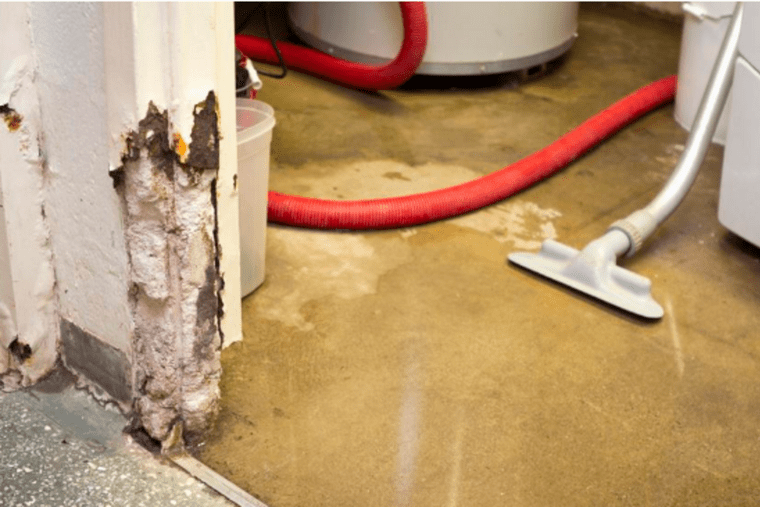
Flooding is a common and destructive natural hazard. As climate change increases the risk of floods worldwide, we’re likely to see more water-damage losses in the future.
But your home can be damaged by water in other ways, too — not just a sudden, catastrophic event. A clogged toilet, a failing water heater, a burst or broken pipe, a sewer backup or a leaky roof can cause a slow leak that can generate mold, mildew and dry rot. Any one of these situations can cause as much damage as a big storm.
Wondering what coverage you have under your current homeowners policy to protect against water damage? It all depends on whether the damage is accidental, sudden or gradual, and on the type of policy you have. Know that water damage from a lack of maintenance typically isn’t covered.
That’s why it’s important to mitigate water damage by following these best practices:
- Keep an eye on your water bill. Set a baseline, and if there’s an uptick in your usage month over month, you know an issue exists somewhere.
- Find your main water shut-off valve. If you live in a colder climate, the main shut-off valve may be in the basement. If you live in a warmer climate, it’s likely attached to an exterior wall or in an underground box. Know where this valve is before you have a burst pipe or another plumbing issue, so you can quickly stop the flow of water when needed. Also, consider shutting off your water main if you’re going on vacation. You'll have a lower chance of coming home to a flooded house.
- Test your water pressure. Pipes and hoses can burst with high water pressure, so check yours to make sure it’s not set too high. Your local hardware store likely sells water pressure gauges, which can provide a reading. Your home’s water pressure should stay between 40 and 70 psi. A pressure regulator can keep it in check.
- Install water leak detectors. Just as smoke detectors help with fires, water leak detectors help prevent water damage. These electronic devices range from $30 to several hundred dollars, but they’re well worth it. They find low moisture levels or slow leaks that may otherwise go unnoticed for long periods. Install them wherever water damage could start, such as in your laundry room or bathroom, under your kitchen sink or near your water heater.
- Take care of your pipes. Inspect the pipes around your house regularly to make sure they’re protected from the elements. In colder climates, keep a steady trickle of water flowing through the pipes to prevent freezing and bursting. Disconnect outside hoses, as they can also damage floors and walls when water freezes inside and then enters the house.
- Look for other outdoor hazards. Standing water in your gutters can also cause problems, as it may freeze or overflow. This can lead to roof damage or puddles on the ground that can damage your foundation. Clean gutters and downspouts twice a year and ensure downspouts point away from your home. Also, look for possible problems with tree or shrub roots. They can wrap around your pipes and break them. If possible, avoid landscaping around utility pipes.
- Be aware of flood zones. If you’re building a new home, do so above flood levels and identify openings where floodwater could enter. Inspect all existing flood prevention systems, such as dikes, flood barriers, etc. Make repairs as needed.
- Check your appliances. Refrigerators and dishwashers are common culprits. Regularly check for leaks according to the manufacturer's instructions. Inspect and replace old, crumbling or leaky washing machine hoses to avoid a mess in your laundry room.
How to minimize water damage
Here’s practical advice to minimize water damage:
- Turn off your water. Shut off your water main to stop the water supply to your entire home.
- Protect your home from further damage. Move furniture and valuables to a safe place and use buckets to catch active leaks.
- File an insurance claim right away. Your insurance company will send out a water remediation professional to prevent additional damage.
- Don’t touch electronics. Don't use electrical devices, such as appliances, televisions, ceiling fans or computers. Don’t even unplug one. And never use your vacuum to remove water.
As a homeowner, you are likely to experience some level of water damage over the years. Whether you incur significant costs depends on how prepared and vigilant you are. For help understanding how your homeowners insurance treats water damage, contact us. We're here to help.