
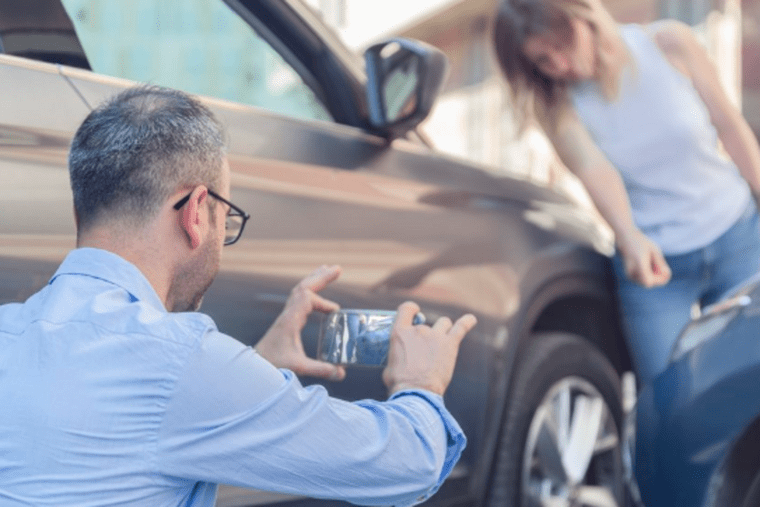
Auto insurance can be complicated and expensive, but it's required almost everywhere in the U.S.
It's important to understand that a standard auto insurance policy covers only specific types of damage and liability. Your state's required coverage limits may not be enough to protect you if you're in a serious accident.
To make sure your auto policy offers enough coverage, you may want to add an endorsement to your policy.
What's an endorsement?
In simple terms, an endorsement is an amendment to your basic insurance policy that customizes it to your needs. An endorsement can be used to increase or decrease your coverage or add extra people to your policy. While adding an endorsement will generally increase your premiums, it can also limit coverage and reduce your premiums, too.
You can add an endorsement to your policy at any time during the term of the contract. This enables you to adjust your coverage as your risk exposure changes. A standard auto insurance policy is somewhat limited in scope, so there are many auto policy endorsements available. Let’s look at a few of the most useful additions.
Auto loan/lease coverage
Most people cannot afford to buy their vehicle outright, so they take a loan or lease their vehicle. Unfortunately, the value of your new vehicle decreases significantly the minute you drive it off the lot. If you are unlucky enough to be in a serious accident or have your car stolen shortly after signing a lease agreement, it's highly likely that your insurance payout will not cover the cost of settling the loan. As a result, you could be left with a substantial bill.
For example, say you buy a $25,000 car with no down payment and spread the payments over five years to keep it affordable. A month later, the car is stolen. At this time, it's only valued at $20,000. Your insurance company pays you the $20,000 the car is currently worth, but you still owe the dealership around $4,600 ($25,000 minus the insurance payout and one month’s payment on the loan).
How can you avoid paying the balance out of pocket? A loan endorsement in this case would cover the difference between the actual value of the car and the amount you still owe. This form of endorsement is often called a “gap” policy. It covers the gap between the actual value and the amount left on the loan.
It’s important to note that this endorsement will not help you if you have fallen behind on your loan payments. It will only cover the amount of the loan that remains to be paid under the contract, not any late payments that are past due.
Trip interruption
This endorsement covers unavoidable costs incurred if your vehicle breaks down or is stolen when you are far from home. Typically, the requirements are:
- You must be more than 100 miles from home.
- Your vehicle must be out of service for more than 24 hours.
Your standard auto policy will cover the damage to your car, and possibly the cost to tow it to a repair shop, or reimburse you for its theft. But how would you cope in the meantime? You could be looking at substantial costs for accommodation, meals and alternative transportation unless you have a trip interruption endorsement on your auto policy.
Some trip interruption endorsements will even cover the cost of transporting your vehicle back home if you fall ill or are injured and unable to drive. This endorsement offers peace of mind if you regularly travel long distances or are planning a long road trip.
Joint ownership coverage
Buying a vehicle can be a major financial hassle. It’s not surprising that more people are opting to share a car rather than absorb the full cost alone. While it is pretty straightforward to arrange insurance when you share a car with a family member who lives in the same house, a standard policy will not cover shared ownership with someone who lives elsewhere. A joint ownership endorsement allows you to extend insurance coverage for a named vehicle to a wider range of people.
Transportation network driver coverage
While a standard insurance policy covers passengers riding in your car, in most cases, there will be an exclusion to prevent coverage for fee-paying passengers. This has become an increasing problem for people working for ridesharing platforms such as Uber and Lyft. Although these platforms offer some insurance, it’s probably insufficient to protect your assets if a paying passenger is seriously injured. There’s also a gray area regarding coverage when a driver has logged in to the rideshare system but not picked up a passenger.
If you’re going to use your vehicle to transport passengers for profit and you are not a licensed taxi driver, you need a ridesharing endorsement.
Other useful auto endorsements
There are many other potentially useful endorsements. For example:
- A waiver of depreciation ensures you get the purchase price (not the actual value) if your new car is totaled. This could be very useful if you are buying an expensive sports car.
- A rental vehicle endorsement extends your coverage to any rental vehicle you use. This means you don’t have to pay for the insurance provided by the rental company.
- You can also get an endorsement to cover recreational vehicles such as jet skis and snowmobiles, even though you don’t need insurance to operate them.
Make sure your auto insurance meets your needs and offers the level of protection you require. If you think you might want to add an endorsement to your auto policy, speak with us to find out what's available.