
Since an insurance policy is a contractual agreement between the insurer and insured, it must define the types of risks it covers. In property insurance, this means naming the “perils,” or causes of loss, the policy will pay for.
- A named-perils policy insures only the perils specifically listed in the policy.
- An all-risks policy insures all risks not expressly excluded in the policy.
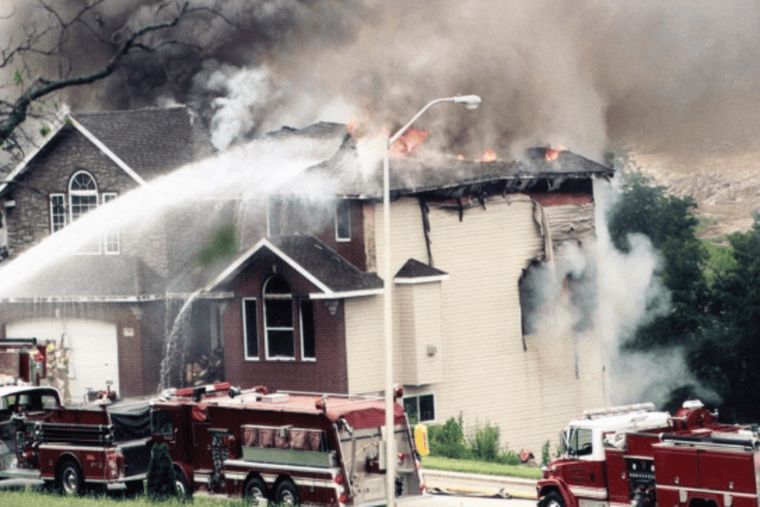
For example, there are 16 named perils in a standard homeowners insurance policy. These include fires, acts of theft, vandalism and wind damage. Any peril not named, such as floods or earthquakes, isn’t covered. Thus, what is not named in a named-perils policy is an important consideration.
All-risks coverage is a broader form of insurance designed to fill some of the gaps in a named-perils policy. With homeowners insurance, if an all-risks policy doesn’t expressly exclude floods, flooding would be covered. While priced higher than named-perils coverage, all-risks insurance may be more advantageous to the insured because a single policy can provide more comprehensive protection against many types of risks. For this reason, open-perils policies are sometimes known as “comprehensive” insurance.
All-risks coverage is also available in other property-casualty insurance policies, including commercial property, builders risk, inland marine and business owners policies (BOPs).
Note that insurance practitioners have recently begun calling all-risks policies “open-perils” policies. According to the International Risk Management Institute, insurance policies no longer use the term all-risks “because of concern that the word ‘all’ suggests coverage that is broader than it actually is."
Open-perils doesn’t cover everything
Know that open-perils policies don’t cover everything. Therefore, it’s important to study the “perils insured against” section of your policy to see what it covers.
- In a homeowners policy, floods, termite damage, sewer backups, earthquakes and mold remediation might be excluded.
- In a commercial property policy, noncovered perils might include power failures, floods, rust, corrosion, pests, pollution, earthquakes, communicable diseases, viruses and pandemics.
Whether you purchase an open-perils or named-perils policy, you can usually add coverage to protect against certain excluded risks. A common additional coverage is flood insurance, which insures against that one peril. Other perils, such as wear and tear and acts of war, aren’t covered by any insurance policy.
Named-perils coverage ranges from basic to broad
Named-perils insurance may have distinct levels of coverage, from “basic” to “broad.”
- A basic policy covers common perils such as fires, lightning, wind damage and vandalism.
- A broad policy includes additional perils such as falling objects, frozen pipes, theft and accidental water damage.
- Finally, a “special” policy is essentially an open-perils policy, since it covers anything not excluded in the policy.
When shopping for coverage, compare the same kinds of policies, i.e., open-perils to open-perils, or named-perils to named-perils. Sometimes a policy has both kinds of coverage. For example, a commercial property policy might state that damage to a building and its improvements is insured on an open-perils basis, while any personal property is insured on a named-perils basis.
Some property may be too high a risk to be included in the open-perils part of a policy. Often, valuable items such as jewelry, fine art, antiques and collectibles are insured separately through a scheduled personal property endorsement. This increases the policy’s limits on the items. Another option is to purchase inland marine insurance using a "floater" policy.
We can help you choose the best option for you
Choosing between an open-perils and named-perils policy is not always easy. That’s why it’s important to consult an experienced insurance professional. If you’re a business owner, your choices will be affected by the size and type of business you operate, your location, and the risks common to your industry. For homeowners, it may depend on where your house is and how safe your neighborhood is.
We can explain which risks are covered by a named-perils policy and which are left out. You must then be comfortable with either not insuring those that are excluded or purchasing separate coverage for them. Not all perils are known or can be predicted, which is why you may ultimately decide that open-perils insurance is better for you.
If you have a mortgage or loan on your house or business, your lender may require a specific type of policy. A lender may require an open-perils policy to fully protect their interest in the property.
Another consideration is which party shoulders the burden of proof when filing a claim. With an open-perils policy, the insurer must prove that a loss was excluded from the policy. With a named-perils policy, you may have to prove that the loss was caused by one of the perils named in your policy.
Once you understand how property insurance works, you can better prepare for any losses you may incur. Your policy won’t protect against every peril, so you’ll need to set aside funds for unexpected repairs and emergencies. We can offer tips on making improvements to your property that can reduce the risk of damage.