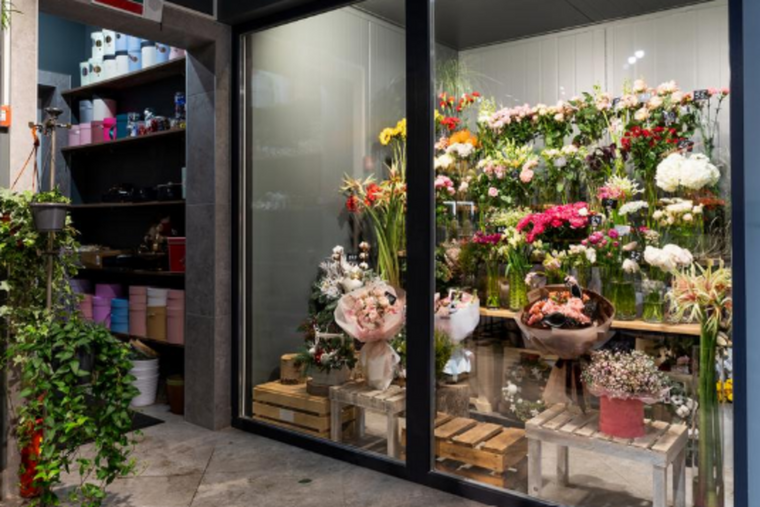
Food products are the first thing that comes to mind when we think of spoilage and contamination. However, there are many businesses that have significant inventories of perishable items. These include grocery stores, cold storage warehouses, bakeries, food processing plants and even less obvious operations like pharmacies, cigar stores, florists and doctors’ offices.
A perishable is a fresh food or another item that requires controlled storage for safety and quality. Perishables include foods like dairy, produce, meat and frozen meals, as well as medicines, plants and flowers. They do not include shelf-stable items such as canned goods, pasta, or other products that do not require consistent temperature or humidity.
If your business has a large amount of perishable stock, you need spoilage and contamination insurance.
What spoilage and contamination insurance covers
Spoilage and contamination insurance helps businesses cover costs associated with perishables spoiled or contaminated in any event specified in the insurance policy. However, it does not include product contamination at the source of production. For example, if a manufacturer of a drug or consumable allowed metal shards or an unwanted substance to fall into a mixing vat, the loss would not be covered.
There are usually specific events, or “named perils,” that trigger spoilage or contamination coverage. The two primary perils are extended power outages and equipment breakdowns. These can cause changes in temperature or humidity that ruin products. They can also cause refrigerants or other damaging substances to leak onto perishables.
Coverage can include the cost of the inventory itself and loss of profits, as well as legal fees and liability damages if spoiled inventory harms a consumer. If a government agency shuts your business down after a contamination incident, some policies will even cover:
- Required equipment cleaning after the incident
- Medical expenses or vaccinations for employees or other exposed individuals
- Loss of income during the shutdown
- Professional services or advertising to help repair your business’s reputation
The payout limits and perils covered will differ based on your policy and insurer. Review the details of any policy you're considering with us.
All power outages are not the same
A spoilage and contamination policy will have parameters that define what’s accepted as a covered “power outage.”
- A typical policy will not cover loss of power due to accidental disconnection from a power source. For example, forgetting to plug a power cord back in after someone trips on it would not be insured.
- Intentional deactivation of electricity is also excluded. This might be done during construction or repair, or because your business hasn't paid its electric bill.
- If your building or business space lacks sufficient power to operate its equipment, this “outage” would not be covered.
- If the power loss is due to a government order or national fuel shortage, any resulting claims would be denied.
Adding spoilage and contamination to your policy
Spoilage and contamination insurance can be added to a business owners policy (BOP) or commercial property policy. It is often included in equipment breakdown insurance, though that coverage requires a mechanical failure of the appliance or system for it to respond. If you have equipment breakdown insurance, check the policy carefully for spoilage and contamination details.
A program policy or BOP tailored to your industry may include specific coverage for spoilage and contamination of perishable inventory. But ask us about the limits of coverage. Policies generally have one amount for an occurrence and another total amount, the aggregate, for the entire term of your policy (typically a year).
If you have large amounts of inventory or high-value perishable stock, verify that your occurrence payout limit is high enough to cover the financial hit if you lose all your inventory from a single event.
If you are adding spoilage and contamination as an endorsement to your commercial property policy, make sure it dovetails with your other coverages. These may include business interruption insurance, equipment breakdown coverage, and product liability or foodborne illness. We can help you fine-tune your insurance suite so you have a blend of complementary coverages.
Other details
There are additional variables that are helpful to understand when choosing spoilage and contamination insurance.
- Most spoilage and contamination policies either require a refrigeration maintenance agreement or give a premium discount to businesses that have one. This agreement is made directly between the policyholder and an approved refrigeration or equipment maintenance company. It must be in effect throughout the policy period, and you should expect to be asked for proof of regular service when you file a claim. If the maintenance agreement is terminated or lapses for any reason, you may lose coverage.
- When you select your policy, remember that it will have its own limits and deductibles, separate from your primary commercial property insurance. If you can supply perishable inventory records, this will be useful for setting appropriate coverage amounts.
- Some policies separate spoilage protection from contamination protection so you have the flexibility to select just one or the other, or a combination of both at different limits. This can be a useful feature for businesses that face more exposure in one area than the other. As an example, a florist is at much greater risk for spoilage than contamination.
- When choosing limits and coverage, you’ll be asked if you want damages paid based on the “selling price.” Just as the term implies, this considers your retail markups and the value added to your perishables as you transform them through recipes, presentation, design or other creative applications.
There are additional options that may apply to the spoilage and contamination policy you select. We can advise you based on your unique needs and help you avoid gaps and duplication of coverage.